Epispadias
The urinary opening is on the upper surface, present from birth.
What is Epispadias?
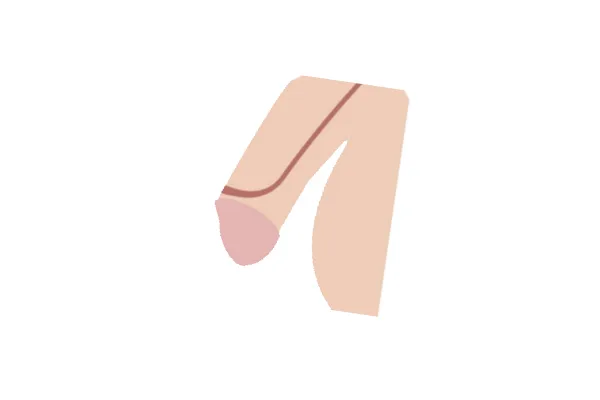
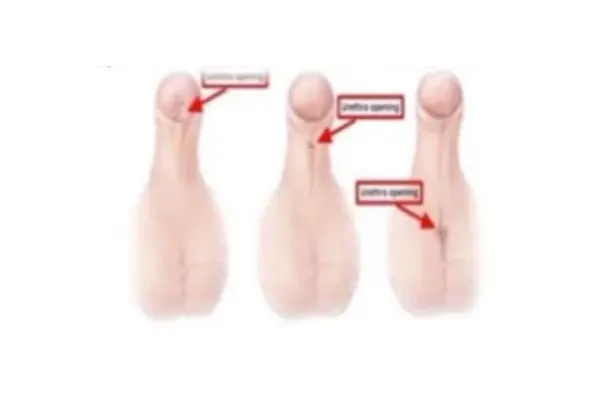
Epispadias is a rare condition present from birth in which the urinary opening lies on the upper surface rather than at the tip. In boys the urethra opens on the top of the penis; in girls the urethra is split and the opening is displaced.
It is the opposite of hypospadias in position, but it is a different and less common condition, and it more often affects urinary control because the sphincter mechanism and the pelvic bones are involved.
It belongs to a spectrum that includes bladder exstrophy, where the bladder itself is open on the abdominal wall. Isolated epispadias is the mildest end of that spectrum.
Treatment is reconstructive surgery, planned in stages, with the two goals of a functioning urinary passage and urinary continence.
In your language
Epispadias
The urinary opening is on the upper surface, present from birth.
Epispadias is a rare condition present from birth in which the urinary opening lies on the upper surface rather than at the tip. In boys the urethra opens on the top of the penis; in girls the urethra is split and the opening is displaced.
எபிஸ்பேடியாஸ்
எபிஸ்பேடியாஸ் என்பது அரிதான பிறவிக் குறைபாடு — சிறுநீர் வெளியேறும் துவாரம் மேல் பக்கத்தில் அமைந்திருக்கும். ஆண், பெண் இரு குழந்தைகளுக்கும் ஏற்படலாம். சிறுநீர் கட்டுப்பாடு பாதிக்கப்படுவது இதன் முக்கியப் பிரச்சினை. படிப்படியாக பல கட்டங்களாக அறுவை சிகிச்சை செய்யப்படும் — முதலில் சிறுநீர்க்குழாய் சரிசெய்தல், பின்னர் சிறுநீர் கட்டுப்பாட்டுக்கான சிகிச்சை. நீண்ட கால கண்காணிப்பு தேவை.
എപ്പിസ്പേഡിയാസ്
എപ്പിസ്പേഡിയാസ് അപൂർവമായ ഒരു ജന്മ വൈകല്യമാണ് — മൂത്രം പുറത്തുവരുന്ന ദ്വാരം മുകൾഭാഗത്തായിരിക്കും. ആൺ, പെൺ കുട്ടികളിൽ ഉണ്ടാകാം. മൂത്ര നിയന്ത്രണം നഷ്ടപ്പെടുന്നതാണ് പ്രധാന പ്രശ്നം. ഘട്ടങ്ങളായാണ് ശസ്ത്രക്രിയ ചെയ്യുന്നത് — ആദ്യം മൂത്രനാളി പുനർനിർമ്മാണം, പിന്നീട് മൂത്ര നിയന്ത്രണത്തിനുള്ള ചികിത്സ. ദീർഘകാല നിരീക്ഷണം ആവശ്യമാണ്.
What Parents Notice
Not every child shows every sign. If something on this list matches your child, it is worth an examination rather than a guess.
- The urinary opening is on the upper surface of the penis, or displaced in a girl
- In boys, the penis is short, broad and curves upwards
- Urine leaks continuously or with any effort — incontinence is common
- A widened or unusual appearance of the pubic area, with the pelvic bones separated
- In girls, a split clitoris and a flattened appearance of the external genitalia
- Urinary tract infections
How It Is Confirmed
- Diagnosis is made by examination at birth or shortly afterwards
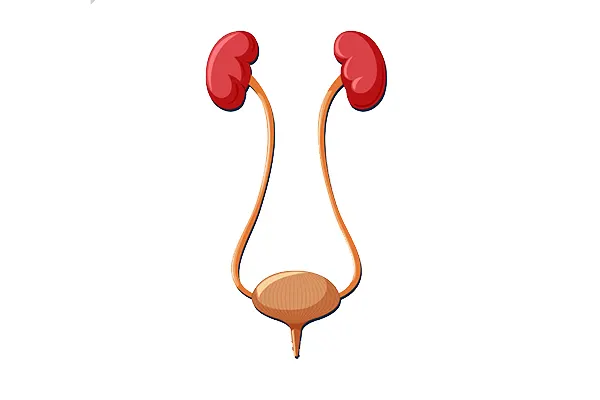
- Ultrasound of the kidneys and bladder to assess the rest of the urinary tract
- X-ray or imaging of the pelvis to assess the separation of the pubic bones
- Assessment of bladder capacity and the sphincter mechanism before continence surgery
- MCUG to identify reflux, which is common in this group
How It Is Treated
- Reconstruction is surgical and is usually planned in stages over the early years of life.
- The first stage reconstructs the urethra and, in boys, straightens and lengthens the penis.
- A later stage addresses continence, strengthening the bladder neck so the child can hold urine and void voluntarily.
- Some children need bladder augmentation or a catheterisable channel if capacity and control remain inadequate.
- Because of the complexity, care is planned individually and the family is given a realistic long-term picture from the start rather than a single-operation promise.
Does My Child Need Surgery?
Not every child with Epispadias needs an operation. These are the situations in which surgery is advised — and the decision is always made after examining your child, never from a description alone.
Reconstruction is planned for essentially all children with epispadias — the question is timing and staging, not whether
The urethral repair is usually undertaken in infancy or early childhood
Continence surgery is timed to bladder capacity and the child’s ability to cooperate, often around school age
Additional surgery is considered if continence or urinary drainage remains unsatisfactory after the initial stages
What Happens Over Time
Varies with severity. Many children achieve urinary control after staged reconstruction, some after additional procedures, and some manage with catheterisation. Appearance and sexual function are addressed as part of the plan, and the family is given a realistic picture at each stage rather than at the end.
This describes what usually happens, not what will happen to your child. The surgeon will give you a specific picture after examining them.
Can It Be Prevented?
Epispadias cannot be prevented. It is a rare congenital condition of the bladder and urethra.
From First Visit to Going Home
What happens, in order, so that nothing on the day comes as a surprise.
Consultation
Dr. Pratheep Samraj examines your child and goes through the history, earlier reports and any treatment already given.
Investigation
Only the tests that change the decision are asked for — commonly an ultrasound, blood tests, and occasionally an X-ray or a scopy.
Explanation
You are told what the condition is, whether it needs surgery, what happens if you wait, and what the operation involves.
Treatment
If surgery is appropriate it is planned with paediatric anaesthetic cover, with ICU and NICU support available in the hospital.
Follow-up
You go home with written instructions and a review date, and you can reach the hospital by phone or WhatsApp in between.
Hospital stay
Each stage is a planned inpatient admission of several days, with catheters or stents in place afterwards.
Recovery at home
Several weeks between stages. Bladder training and follow-up are a continuous part of care rather than a single recovery period.
Follow-up
Long-term, through childhood and adolescence, covering continence, kidney protection and, later, sexual function.
Please bring with you: all previous scan reports, blood test reports, discharge summaries, records of any earlier operation, current medicines, and your child’s immunisation card. Photographs on your phone of a swelling that comes and goes are genuinely useful.
Please note: this page is general information about Epispadias, not advice about your child. Timing, suitability for surgery and the expected result differ from child to child and are decided only after clinical evaluation.
Questions Parents Ask
If your question is not here, send it on WhatsApp — you will get an answer from the hospital team.
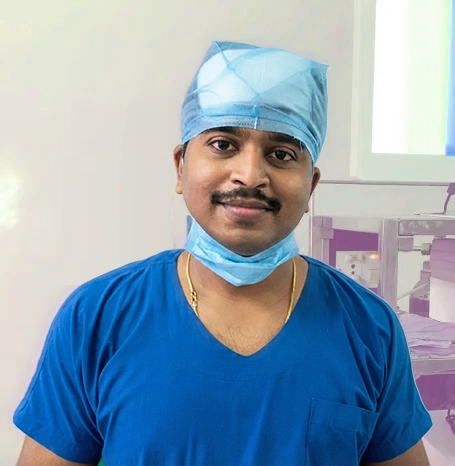
Dr. Pratheep Samraj
Consultant Paediatric & Neonatal Surgeon · Palliyadi, Kanyakumari
Super-specialist surgical care for newborns, infants and children, with expertise in paediatric urology, congenital anomalies, gastro-intestinal surgery and minimally invasive surgery.
Related Conditions
Epispadias is reconstructable, in planned stages.
It is uncommon, so having it seen by someone who does this work matters more than having it seen quickly. Bring him in and the stages will be explained before anything is decided.
Consultation 10:00 AM - 1:00 PM & 4:00 PM - 8:00 PM · 24-hour laboratory & pharmacy
In an emergency — green vomiting in a baby, a groin swelling that will not go back, severe tummy pain, or a newborn not passing urine or meconium — come straight to the hospital or to your nearest emergency department. Do not wait for a reply to a message.