Undescended Testis
One or both testes have not come down into the scrotum.
What is Undescended Testis?
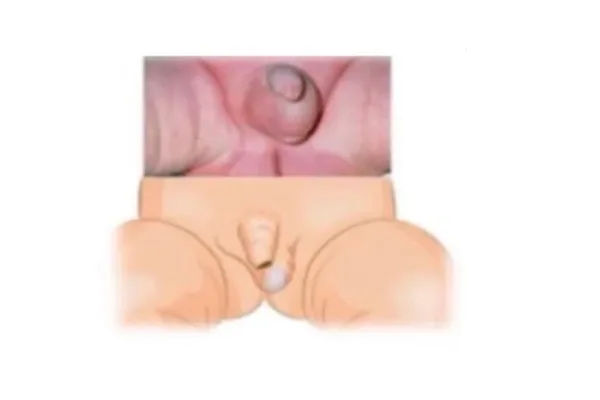
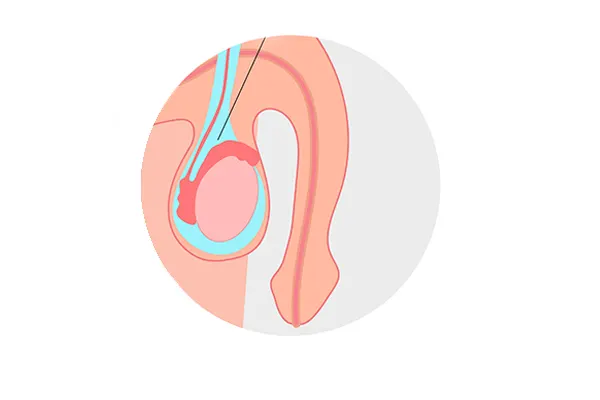
The testes form inside the abdomen before birth and travel down into the scrotum in the last weeks of pregnancy. In an undescended testis, also called cryptorchidism, one or both have stopped somewhere along that path — in the groin, at the top of the scrotum, or still inside the abdomen.
It is common in babies born early, and in many boys the testis comes down by itself in the first few months. After about six months of age, spontaneous descent becomes unlikely.
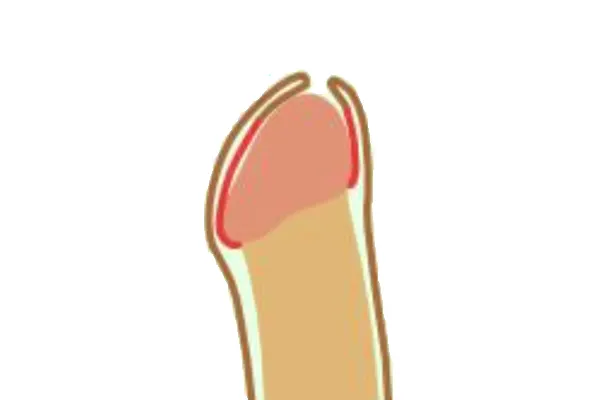
This is different from a retractile testis, which sits in the scrotum but pulls up when the child is cold or anxious. A retractile testis is normal and does not need surgery — telling the two apart is done by examination.
In your language
Undescended Testis
One or both testes have not come down into the scrotum.
The testes form inside the abdomen before birth and travel down into the scrotum in the last weeks of pregnancy. In an undescended testis, also called cryptorchidism, one or both have stopped somewhere along that path — in the groin, at the top of the scrotum, or still inside the abdomen.
இறங்காத விதை
விதைகள் பிறப்பதற்கு முன்பே வயிற்றுக்குள் இருந்து இறங்கி விதைப்பைக்குள் வர வேண்டும். ஒன்று அல்லது இரண்டும் இறங்காமல் இருந்தால் அது இறங்காத விதை எனப்படும். ஆறு மாதத்திற்குள் தானாக இறங்கவில்லை என்றால், 6–18 மாத வயதிற்குள் அறுவை சிகிச்சை செய்வது நல்லது. காலதாமதம் எதிர்காலத்தில் குழந்தைப்பேறு திறனையும் புற்றுநோய் அபாயத்தையும் பாதிக்கலாம். வலி இல்லை என்பதால் தள்ளிப்போட வேண்டாம்.
ഇറങ്ങാത്ത വൃഷണം
ജനനത്തിനു മുൻപ് വൃഷണങ്ങൾ വയറിനുള്ളിൽ നിന്ന് ഇറങ്ങി വൃഷണസഞ്ചിയിൽ എത്തേണ്ടതാണ്. ഒന്നോ രണ്ടോ ഇറങ്ങാതിരുന്നാൽ അതിനെ ഇറങ്ങാത്ത വൃഷണം എന്നു പറയുന്നു. ആറു മാസത്തിനുള്ളിൽ സ്വയം ഇറങ്ങിയില്ലെങ്കിൽ 6–18 മാസത്തിനുള്ളിൽ ശസ്ത്രക്രിയ ചെയ്യുന്നതാണ് നല്ലത്. വൈകുന്നത് ഭാവിയിലെ പ്രത്യുത്പാദനശേഷിയെയും അർബുദ സാധ്യതയെയും ബാധിക്കാം. വേദനയില്ല എന്നതുകൊണ്ട് മാറ്റിവയ്ക്കരുത്.
What Parents Notice
Not every child shows every sign. If something on this list matches your child, it is worth an examination rather than a guess.
- One or both sides of the scrotum feel empty, or look flatter than the other side
- A small lump can sometimes be felt in the groin
- The scrotum on the affected side is less developed
- There is usually no pain and the child is otherwise well — it is often noticed by a parent during a bath or nappy change
- Sudden pain and swelling in the groin or scrotum is not typical and needs review the same day
How It Is Confirmed
- Diagnosis is made by careful examination in a warm room with relaxed hands — this is the single most important step
- The surgeon decides whether the testis is palpable in the groin, non-palpable, or simply retractile
- Ultrasound is often unhelpful for a non-palpable testis and is not relied on to locate it
- If both testes are undescended, or the genital appearance is unclear, hormone tests and further evaluation are advised before surgery
- For a truly non-palpable testis, diagnostic laparoscopy is the reliable way to find it — and the same keyhole procedure is often used to bring it down
How It Is Treated
- The treatment is an operation called orchidopexy, which brings the testis into the scrotum and fixes it there.
- If the testis is in the groin, this is done through a small groin incision as a day-care or overnight procedure.
- If the testis is inside the abdomen, laparoscopic keyhole surgery is used both to find it and to bring it down, sometimes in two stages.
- Hormone injections are not the standard treatment and are rarely used.
Does My Child Need Surgery?
Not every child with Undescended Testis needs an operation. These are the situations in which surgery is advised — and the decision is always made after examining your child, never from a description alone.
Surgery is advised once the testis has not descended by about 6 months of age, and is ideally completed between 6 and 18 months.
There are three reasons not to wait: the testis produces better sperm at the cooler scrotal temperature; an undescended testis carries a higher lifetime risk of testicular cancer, and being in the scrotum makes it examinable; and an undescended testis is more prone to twisting and injury.
Older boys and teenagers who were never operated should still be assessed. Late surgery is still worthwhile, and the surgeon will explain what it can and cannot restore.
A retractile testis does not need surgery, but does need checking once a year, because a small number later become truly undescended.
What Happens Over Time
When the testis is brought down in the first eighteen months it generally grows and functions well, and most men who had one undescended testis father children normally. Fertility is more often affected when both sides were involved or when surgery was late. The testis stays slightly more prone to problems in later life, which is why being able to examine it matters.
This describes what usually happens, not what will happen to your child. The surgeon will give you a specific picture after examining them.
Can It Be Prevented?
It cannot be prevented. It is more common in babies born early, simply because descent happens in the last weeks of pregnancy.
From First Visit to Going Home
What happens, in order, so that nothing on the day comes as a surprise.
Consultation
Dr. Pratheep Samraj examines your child and goes through the history, earlier reports and any treatment already given.
Investigation
Only the tests that change the decision are asked for — commonly an ultrasound, blood tests, and occasionally an X-ray or a scopy.
Explanation
You are told what the condition is, whether it needs surgery, what happens if you wait, and what the operation involves.
Treatment
If surgery is appropriate it is planned with paediatric anaesthetic cover, with ICU and NICU support available in the hospital.
Follow-up
You go home with written instructions and a review date, and you can reach the hospital by phone or WhatsApp in between.
Hospital stay
Day care or one night for a groin orchidopexy. Laparoscopic abdominal cases usually stay 1 to 2 days.
Recovery at home
Back to normal activity within a few days. Avoid cycling and straddling toys for about 2 to 3 weeks.
Follow-up
Reviewed a few weeks after surgery and then periodically, to confirm the testis has stayed in the scrotum and is growing normally.
Please bring with you: all previous scan reports, blood test reports, discharge summaries, records of any earlier operation, current medicines, and your child’s immunisation card. Photographs on your phone of a swelling that comes and goes are genuinely useful.
Please note: this page is general information about Undescended Testis, not advice about your child. Timing, suitability for surgery and the expected result differ from child to child and are decided only after clinical evaluation.
Questions Parents Ask
If your question is not here, send it on WhatsApp — you will get an answer from the hospital team.
Dr. Pratheep Samraj
Consultant Paediatric & Neonatal Surgeon · Palliyadi, Kanyakumari
Super-specialist surgical care for newborns, infants and children, with expertise in paediatric urology, congenital anomalies, gastro-intestinal surgery and minimally invasive surgery.
Related Conditions
A testis that has not come down should be fixed before the first birthday.
Waiting beyond that costs fertility and makes the testis harder to find. If it is still not in the scrotum at six months, bring him in — orchidopexy is usually a day-care operation.
Consultation 10:00 AM - 1:00 PM & 4:00 PM - 8:00 PM · 24-hour laboratory & pharmacy
In an emergency — green vomiting in a baby, a groin swelling that will not go back, severe tummy pain, or a newborn not passing urine or meconium — come straight to the hospital or to your nearest emergency department. Do not wait for a reply to a message.