Constipation in Children
Common, treatable — but sometimes a sign of something else.
What is Constipation in Children?
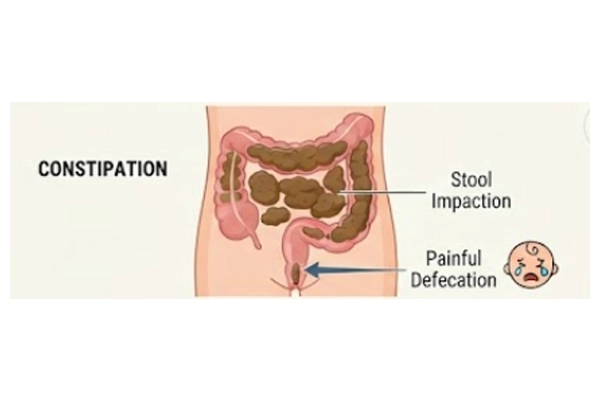
Constipation in children usually means infrequent, hard, painful stools — and very often a cycle: one painful stool leads the child to hold the next one, the stool sits and hardens, and the next one hurts more.
The overwhelming majority is functional, meaning there is no structural disease. It responds well to proper treatment, but proper treatment usually means months, not a week of syrup.
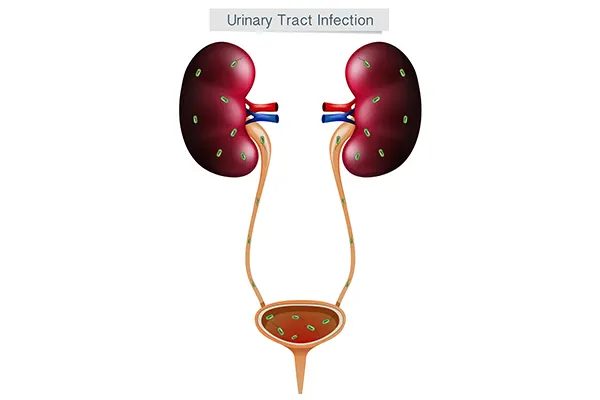
It matters more than parents expect, because a loaded rectum causes tummy pain, poor appetite, soiling and daytime wetting, and it drives repeated urinary infections.
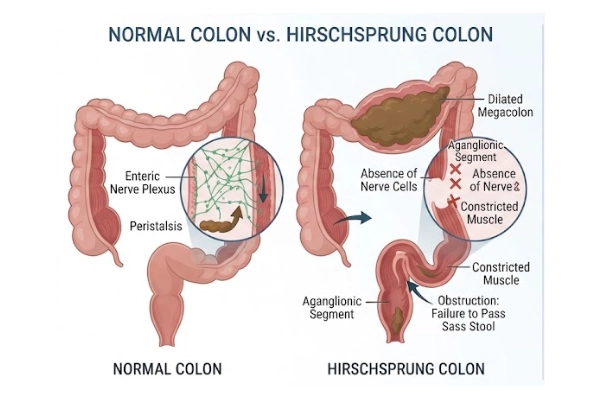
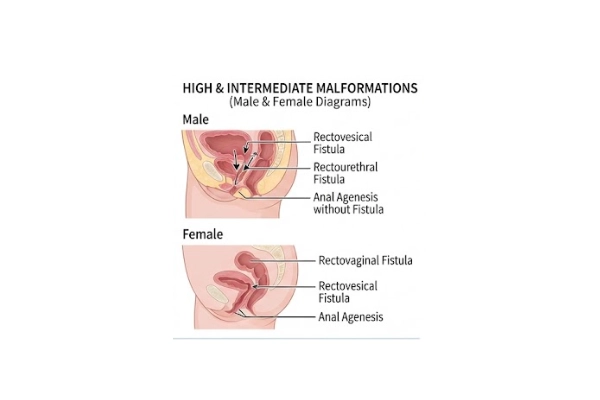
A small minority of children have an underlying cause — Hirschsprung disease, an anorectal malformation including an anteriorly placed anus, a spinal problem, or thyroid disease. Those are the children a paediatric surgeon needs to identify.
In your language
Constipation in Children
Common, treatable — but sometimes a sign of something else.
Constipation in children usually means infrequent, hard, painful stools — and very often a cycle: one painful stool leads the child to hold the next one, the stool sits and hardens, and the next one hurts more.
குழந்தைகளில் மலச்சிக்கல்
குழந்தைகளின் மலச்சிக்கல் மிகவும் பொதுவானது, சரியான சிகிச்சையால் குணமாகும் — ஆனால் சிகிச்சை மாதக்கணக்கில் தொடர வேண்டும், ஒரு வார சிரப் போதாது. முதலில் தேங்கியுள்ள கடின மலத்தை முழுமையாக வெளியேற்ற வேண்டும்; பின்னரே தொடர் மருந்து. உள்ளாடையில் மலம் கசிவது குழந்தையின் தவறு அல்ல — அது கடின மலத்தைச் சுற்றி வழிவது. எச்சரிக்கை அறிகுறிகள்: பிறந்ததிலிருந்தே மலச்சிக்கல், கருமலம் தாமதம், வயிறு உப்புதல், வளர்ச்சிக் குறைவு, முதுகின் கீழ்ப்பகுதியில் குழி அல்லது முடி — இவை இருந்தால் கண்டிப்பாக நிபுணரைப் பாருங்கள்.
കുട്ടികളിലെ മലബന്ധം
കുട്ടികളിലെ മലബന്ധം വളരെ സാധാരണമാണ്, ശരിയായ ചികിത്സയിലൂടെ ഭേദമാകും — പക്ഷേ ചികിത്സ മാസങ്ങളോളം തുടരണം, ഒരാഴ്ചത്തെ സിറപ്പ് പോരാ. ആദ്യം കെട്ടിക്കിടക്കുന്ന കട്ടിയുള്ള മലം പൂർണമായി പുറത്താക്കണം; പിന്നീടേ തുടർ മരുന്ന്. അടിവസ്ത്രത്തിൽ മലം പുരളുന്നത് കുട്ടിയുടെ തെറ്റല്ല — അത് കട്ടിയുള്ള മലത്തിനു ചുറ്റും ഒഴുകുന്നതാണ്. മുന്നറിയിപ്പ് ലക്ഷണങ്ങൾ: ജനനം മുതലുള്ള മലബന്ധം, ആദ്യ മലം വൈകൽ, വയറു വീർക്കൽ, വളർച്ചക്കുറവ്, നടുവിന്റെ താഴ്ഭാഗത്ത് കുഴിയോ രോമമോ — ഇവയുണ്ടെങ്കിൽ വിദഗ്ധനെ കാണണം.
What Parents Notice
Not every child shows every sign. If something on this list matches your child, it is worth an examination rather than a guess.
- Passing stool less often than usual, with hard pellet-like or very large stools
- Pain or crying while passing stool, and holding behaviour — standing on tiptoe, crossing legs, hiding
- Streaks of fresh blood on the stool or paper from a small anal tear
- Soiling or leakage of loose stool into the underwear, which is overflow around a hard mass and not the child being careless
- Tummy pain, poor appetite, a distended abdomen
- Daytime wetting or recurrent urinary infections
- Warning signs: constipation from the newborn period, delayed passage of meconium, a swollen tummy with vomiting, poor growth, an abnormal-looking anus, or a dimple or hairy patch over the lower back
How It Is Confirmed
- History and examination, including inspection of the anus and its position, and examination of the lower back and legs
- A stool diary, which is genuinely useful
- X-ray of the abdomen only in selected cases — it is not needed to diagnose ordinary constipation
- Blood tests for thyroid function, coeliac disease and calcium where the picture is atypical
- Rectal biopsy or contrast enema where Hirschsprung disease is suspected
- MRI of the spine if there are neurological or skin signs over the back
How It Is Treated
- Disimpaction first: clearing the accumulated hard stool, usually with an oral laxative regime over several days. Starting maintenance treatment without clearing the load is the commonest reason treatment fails.
- Maintenance laxatives for months, at a dose adjusted to keep stools soft. Stopping too early is the second commonest reason for failure.
- Toilet routine: sitting after meals, feet supported on a stool, unhurried, with rewards for sitting rather than for producing.
- Diet and fluids — helpful, but not sufficient on their own for established constipation.
- Treating the anal fissure so passing stool stops hurting, which breaks the holding cycle.
- Surgery has no role in ordinary functional constipation. It applies only where an underlying surgical cause is found.
Does My Child Need Surgery?
Not every child with Constipation in Children needs an operation. These are the situations in which surgery is advised — and the decision is always made after examining your child, never from a description alone.
Hirschsprung disease is confirmed on biopsy
There is an anorectal malformation, including an anteriorly placed or stenotic anus
A spinal abnormality requires neurosurgical treatment
A chronic anal fissure fails to heal with medical treatment
For most children with constipation, the answer is not an operation — it is treatment done properly and for long enough
What Happens Over Time
Very good, but slower than most families expect. Children improve within days of clearing the backlog, yet the bowel needs months of maintenance treatment to recover its normal size and sensation. Stopping too early is the commonest reason the problem returns.
This describes what usually happens, not what will happen to your child. The surgeon will give you a specific picture after examining them.
Can It Be Prevented?
Much of it is preventable — enough fluid and fibre, an unhurried toilet routine after meals, feet supported, and treating a painful anal fissure early so the child does not start holding.
From First Visit to Going Home
What happens, in order, so that nothing on the day comes as a surprise.
Consultation
Dr. Pratheep Samraj examines your child and goes through the history, earlier reports and any treatment already given.
Investigation
Only the tests that change the decision are asked for — commonly an ultrasound, blood tests, and occasionally an X-ray or a scopy.
Explanation
You are told what the condition is, whether it needs surgery, what happens if you wait, and what the operation involves.
Treatment
If surgery is appropriate it is planned with paediatric anaesthetic cover, with ICU and NICU support available in the hospital.
Follow-up
You go home with written instructions and a review date, and you can reach the hospital by phone or WhatsApp in between.
Hospital stay
Treatment is almost always at home. Admission is occasionally needed for disimpaction in a severely loaded child.
Recovery at home
Improvement usually within days of clearing the load, but the bowel needs months of maintenance to recover its normal calibre and sensation.
Follow-up
Reviews to adjust the laxative dose and to confirm the pattern is holding before treatment is slowly reduced.
Please bring with you: all previous scan reports, blood test reports, discharge summaries, records of any earlier operation, current medicines, and your child’s immunisation card. Photographs on your phone of a swelling that comes and goes are genuinely useful.
Please note: this page is general information about Constipation in Children, not advice about your child. Timing, suitability for surgery and the expected result differ from child to child and are decided only after clinical evaluation.
Questions Parents Ask
If your question is not here, send it on WhatsApp — you will get an answer from the hospital team.
Dr. Pratheep Samraj
Consultant Paediatric & Neonatal Surgeon · Palliyadi, Kanyakumari
Super-specialist surgical care for newborns, infants and children, with expertise in paediatric urology, congenital anomalies, gastro-intestinal surgery and minimally invasive surgery.
Related Conditions
Constipation that keeps coming back is usually being under-treated, not over-treated.
Clearing the accumulated stool first and then staying on maintenance for months is what works; stopping early is the commonest reason it fails. Come and get a regime that finishes the job.
Consultation 10:00 AM - 1:00 PM & 4:00 PM - 8:00 PM · 24-hour laboratory & pharmacy
In an emergency — green vomiting in a baby, a groin swelling that will not go back, severe tummy pain, or a newborn not passing urine or meconium — come straight to the hospital or to your nearest emergency department. Do not wait for a reply to a message.