Urinary Infection in Children
Repeated urine infections need a cause to be found.
What is Urinary Infection in Children?
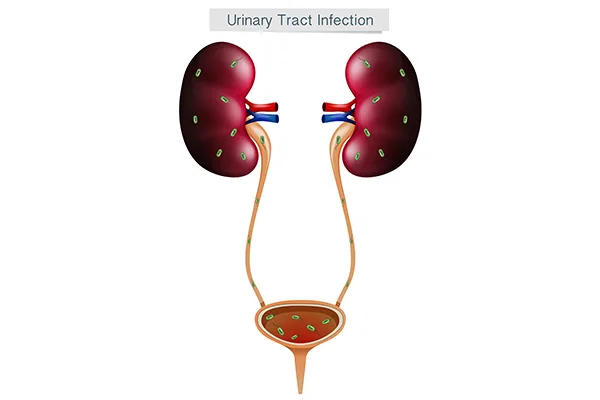
A urinary tract infection means bacteria have grown in the urine. In a young child it is easy to miss, because the child cannot describe burning or pain — often the only sign is fever with no obvious source.
A single infection in an otherwise healthy older child is usually straightforward. What brings a child to a paediatric surgeon is a different question: is there an underlying reason the urine is getting infected?
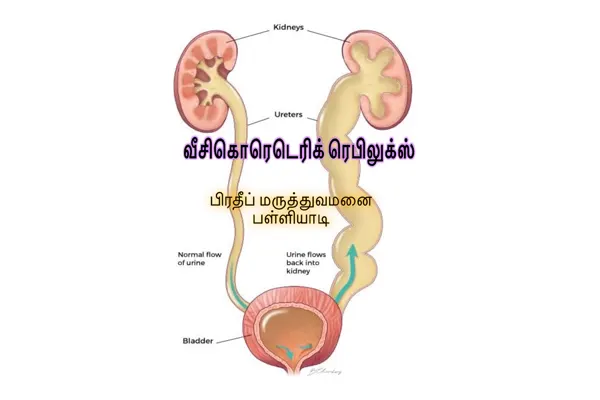
The causes worth finding are reflux, obstruction, posterior urethral valves in boys, a poorly emptying or high-pressure bladder, a duplex system or ureterocele, and — extremely commonly and often overlooked — constipation.
Infections that reach the kidney can scar it. That is why repeated infections in a young child are taken seriously rather than simply treated again each time.
In your language
Urinary Infection in Children
Repeated urine infections need a cause to be found.
A urinary tract infection means bacteria have grown in the urine. In a young child it is easy to miss, because the child cannot describe burning or pain — often the only sign is fever with no obvious source.
குழந்தைகளில் சிறுநீர் தொற்று
குழந்தைகளுக்கு காரணமின்றி காய்ச்சல் வந்தால், சிறுநீர் தொற்று இருக்கலாம் — சிறு குழந்தைகள் எரிச்சலைச் சொல்ல முடியாது. ஒரு முறை வந்தால் சிகிச்சை போதும்; ஆனால் திரும்பத் திரும்ப வந்தால் அதற்கான காரணத்தைக் கண்டறிய வேண்டும் — சிறுநீர் பின்னோக்கி ஏறுதல் (VUR), அடைப்பு, ஆண் குழந்தைகளில் வால்வு, அல்லது மலச்சிக்கல். மலச்சிக்கலை சரிசெய்வதே பல குழந்தைகளுக்குப் போதுமான தீர்வாக இருக்கும். ஆன்டிபயாடிக் தொடங்குவதற்கு முன் சிறுநீர் பரிசோதனை (culture) செய்வது முக்கியம்.
കുട്ടികളിലെ മൂത്രാശയ അണുബാധ
കുട്ടികളിൽ കാരണമില്ലാതെ പനി വന്നാൽ മൂത്രാശയ അണുബാധ ആകാം — ചെറിയ കുട്ടികൾക്ക് നീറ്റൽ പറയാൻ കഴിയില്ല. ഒരിക്കൽ വന്നാൽ ചികിത്സ മതി; പക്ഷേ ആവർത്തിച്ചാൽ കാരണം കണ്ടെത്തണം — VUR, തടസ്സം, ആൺകുട്ടികളിൽ വാൽവ്, അല്ലെങ്കിൽ മലബന്ധം. മലബന്ധം പരിഹരിക്കുന്നത് തന്നെ പല കുട്ടികൾക്കും മതിയാകും. ആന്റിബയോട്ടിക് തുടങ്ങുന്നതിനു മുൻപ് മൂത്രം കൾച്ചർ പരിശോധന ചെയ്യേണ്ടത് പ്രധാനമാണ്.
What Parents Notice
Not every child shows every sign. If something on this list matches your child, it is worth an examination rather than a guess.
- In babies: fever with no obvious cause, poor feeding, vomiting, irritability, sleepiness, jaundice in a newborn, or poor weight gain
- In older children: burning or pain on passing urine, going very frequently, urgency, tummy or back pain
- Foul-smelling or cloudy urine, sometimes blood-stained
- New wetting in a child who was previously dry
- Fever with shivering and back pain, which suggests the kidney is involved rather than just the bladder
How It Is Confirmed
- A properly collected urine sample for culture — before antibiotics are started wherever possible, because a treated sample can be uninformative
- Blood tests where the child is unwell or the kidney is involved
- Ultrasound of the kidneys and bladder, including how much urine remains after voiding
- MCUG in infants, in boys with a poor stream, and where reflux is suspected
- DMSA scan to look for kidney scarring after a significant kidney infection
- Assessment of bowel habit and voiding pattern — a simple diary often reveals the actual cause
How It Is Treated
- Prompt, adequate antibiotic treatment of the infection itself, guided by the culture where available.
- Admission and intravenous antibiotics for a young infant, or any child who is significantly unwell.
- Treating constipation properly — this alone resolves a large share of recurrent infections in toilet-trained children.
- Good voiding habits: regular timed toilet visits, adequate fluids, and complete emptying rather than rushing.
- Preventive low-dose antibiotics in selected children, particularly infants with reflux.
- Surgery only where an underlying anomaly is found that needs correcting — valves, obstruction, high-grade reflux or a ureterocele.
Does My Child Need Surgery?
Not every child with Urinary Infection in Children needs an operation. These are the situations in which surgery is advised — and the decision is always made after examining your child, never from a description alone.
Investigation reveals posterior urethral valves — treated without delay
There is obstruction at the PUJ or elsewhere that is not draining
High-grade reflux with breakthrough infections despite prophylaxis
A ureterocele or non-functioning kidney segment is driving the infections
Most children with urinary infection need no operation at all — they need the right diagnosis and the right medical management
What Happens Over Time
A single infection in a healthy older child has no long-term consequence. Repeated infections in a young child are taken more seriously because of the risk of kidney scarring — which is why the aim is to find the reason rather than simply treat each episode.
This describes what usually happens, not what will happen to your child. The surgeon will give you a specific picture after examining them.
Can It Be Prevented?
A great deal is preventable. Treating constipation, regular unhurried toilet visits, complete emptying, adequate fluids and prompt treatment of infections all reduce recurrence, and preventive antibiotics help selected children.
From First Visit to Going Home
What happens, in order, so that nothing on the day comes as a surprise.
Consultation
Dr. Pratheep Samraj examines your child and goes through the history, earlier reports and any treatment already given.
Investigation
Only the tests that change the decision are asked for — commonly an ultrasound, blood tests, and occasionally an X-ray or a scopy.
Explanation
You are told what the condition is, whether it needs surgery, what happens if you wait, and what the operation involves.
Treatment
If surgery is appropriate it is planned with paediatric anaesthetic cover, with ICU and NICU support available in the hospital.
Follow-up
You go home with written instructions and a review date, and you can reach the hospital by phone or WhatsApp in between.
Hospital stay
Older children are usually treated at home with oral antibiotics. Infants and unwell children may need a few days in hospital for intravenous treatment.
Recovery at home
Fever typically settles within 48 hours of appropriate antibiotics. The full course must be completed even after the child feels well.
Follow-up
Review with the culture result, imaging as indicated, and a plan for preventing the next infection rather than only treating this one.
Please bring with you: all previous scan reports, blood test reports, discharge summaries, records of any earlier operation, current medicines, and your child’s immunisation card. Photographs on your phone of a swelling that comes and goes are genuinely useful.
Please note: this page is general information about Urinary Infection in Children, not advice about your child. Timing, suitability for surgery and the expected result differ from child to child and are decided only after clinical evaluation.
Questions Parents Ask
If your question is not here, send it on WhatsApp — you will get an answer from the hospital team.

Dr. Pratheep Samraj
Consultant Paediatric & Neonatal Surgeon · Palliyadi, Kanyakumari
Super-specialist surgical care for newborns, infants and children, with expertise in paediatric urology, congenital anomalies, gastro-intestinal surgery and minimally invasive surgery.
Related Conditions
A second urine infection is a reason to look for a cause.
Repeated infections in a child are not bad luck — reflux, a blockage or a bladder that empties poorly sits behind many of them. Bring the urine culture reports, including the ones that were negative.
Consultation 10:00 AM - 1:00 PM & 4:00 PM - 8:00 PM · 24-hour laboratory & pharmacy
In an emergency — green vomiting in a baby, a groin swelling that will not go back, severe tummy pain, or a newborn not passing urine or meconium — come straight to the hospital or to your nearest emergency department. Do not wait for a reply to a message.